

[rank_math_breadcrumb]

Importance of Preparing Your Vehicle for Safety and Performance During Winter in Colorado
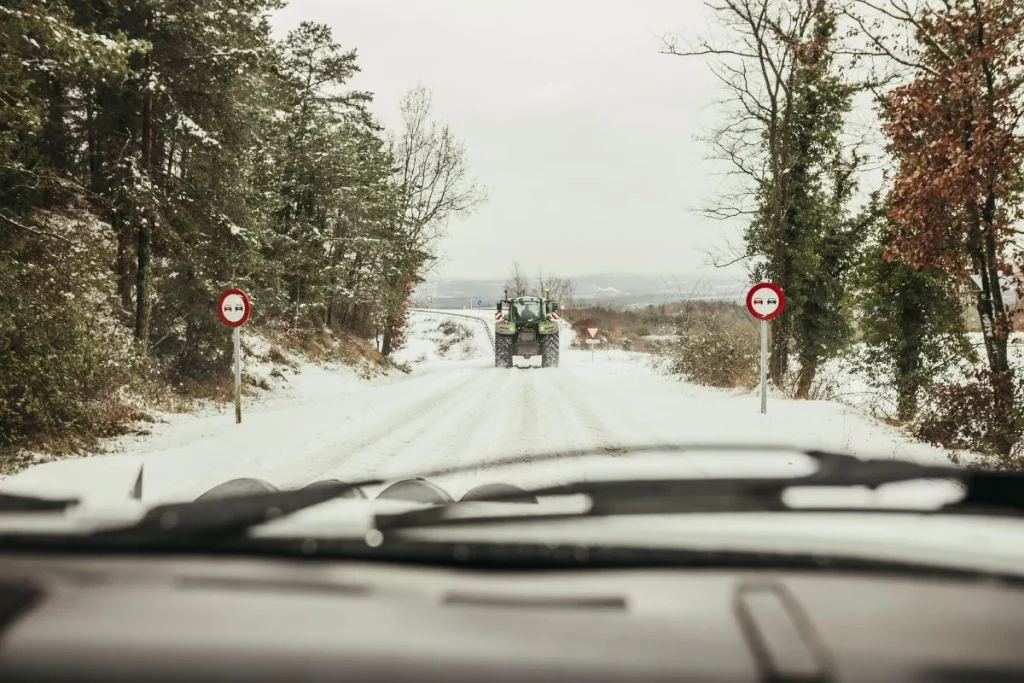
Winter in Greeley and Brighton, Colorado, isn’t just a season—it’s a challenging driving experience that can test even the most experienced drivers. From sudden snowstorms to icy roads that seemingly appear out of nowhere, Colorado’s winter conditions demand more than just cautious driving. They require comprehensive vehicle preparation and strategic planning.
Winter Driving Challenges in Greeley and Brighton CO
Greeley and Brighton’s unique geographical location means residents face unpredictable winter weather that can change in moments. Temperatures can plummet rapidly, snow can accumulate quickly, and road conditions can transform from manageable to treacherous within hours. For local drivers, this isn’t just about comfort—it’s about safety.
Vehicle Inspection Before Winter: Key Components to Check
Winter vehicle preparation is crucial for safety and performance. The core inspection focuses on four primary systems: battery performance, which becomes critical in cold temperatures; brake system evaluation to ensure responsive stopping power; fluid levels and quality to maintain vehicle health; and heating and defrosting systems to guarantee comfort and visibility. Each component plays a vital role in maintaining vehicle reliability during harsh winter conditions.
Preparing your vehicle for winter begins with a thorough inspection. At Bullet Automotive & Diesel, we recommend focusing on these critical areas:
- Battery Performance
- Cold temperatures dramatically reduce battery efficiency
- Have your battery tested to ensure it can handle winter’s demanding conditions
- Replace batteries showing signs of weakness before they fail you in freezing weather
- Brake System Evaluation
- Winter roads require responsive, reliable brakes
- Check brake pad thickness
- Inspect brake fluid for contamination
- Ensure brake lines are free from corrosion or damage
- Fluid Levels and Quality
- Use winter-grade oil with proper viscosity
- Check antifreeze concentration
- Verify windshield washer fluid is rated for freezing temperatures
- Inspect transmission and power steering fluid levels
- Heating and Defrosting Systems
- Test your vehicle’s heating system thoroughly
- Ensure defrosters work efficiently
- Replace cabin air filters if needed
- Check the heater core for potential issues
Essential Emergency Items: What to Keep in Your Car
Preparing for winter driving means being ready for unexpected situations. The essential emergency kit emphasizes survival, communication, and self-sufficiency. Warm clothing and blankets protect against cold, while emergency tools like jumper cables and a first-aid kit provide practical support. Extras like non-perishable snacks, water, and traction aids (sand or kitty litter) ensure you can manage potential roadside challenges, ultimately increasing your safety during unpredictable winter driving scenarios.
Winter preparedness extends beyond vehicle maintenance. Always keep these items in your vehicle:
- Flashlight with extra batteries
- Jumper cables
- Portable phone charger
- First-aid kit
- Basic tool kit
- Windshield ice scraper and snow brush
- Bag of sand or kitty litter (for traction)
- Reflective warning triangles
Always call road assistance or your local mechanic for vehicle emergency assistance.
Enhancing Visibility While Driving: Tips for Clear Vision
Maintaining clear visibility is paramount for safe winter driving in Colorado. The key approaches include proactive maintenance of windshield systems, such as replacing wiper blades and using specialized winter wiper fluid. Regular cleaning of headlights and taillights ensures maximum light output, while considering water-repellent window treatments can significantly improve driving visibility during snow and ice conditions.
Visibility is crucial during winter driving:
- Replace windshield wiper blades before winter
- Use winter-specific wiper fluid
- Clean headlights and taillights regularly
- Check and replace headlight bulbs if they’re dimming
- Consider applying water-repellent treatment to windows
Safe Driving Techniques in Snow and Ice: Driving Strategies
Winter driving demands a fundamentally different approach to vehicle control. The primary strategies revolve around reducing speed, increasing following distance, and avoiding sudden movements. Braking techniques differ based on vehicle type, with specific guidance for both ABS and non-ABS vehicles. Most critically, drivers must learn to remain calm and make controlled responses when encountering challenging road conditions, particularly during potential skids.
Mastering winter driving requires skill and patience:
- Reduce Speed
- Drive slower than normal speed limits
- Increase following distance
- Avoid sudden movements
- Braking Techniques
- Brake gently and earlier than usual
- If you have anti-lock brakes (ABS), apply steady pressure
- For non-ABS vehicles, pump brakes carefully
- Handling Skids
- Stay calm if you start to skid
- Steer in the direction you want to go
- Avoid overcorrecting
Tire Preparation for Winter Conditions: Tire Maintenance Tips
Tires are the most critical connection between your vehicle and winter roads. The comprehensive approach includes considering specialized winter or snow tires, regularly checking tread depth, maintaining proper tire inflation, and ensuring routine tire rotation and wheel alignment. These steps collectively improve traction, safety, and vehicle performance in challenging winter driving conditions.
Tires are your primary connection to winter roads:
- Consider winter/snow tires for maximum traction
- Check tire tread depth regularly
- Maintain proper tire inflation
- Rotate tires before the winter season
- Balance and align wheels for even wear
Fuel Safety Tips: Gas Tank Recommendations
Winter fuel management goes beyond typical driving habits. Keeping the gas tank at least half full serves multiple purposes: preventing fuel line freezing, providing emergency preparedness, and adding extra vehicle weight for improved traction. This simple strategy can significantly enhance both safety and vehicle performance during winter months.
- Keep the gas tank at least half full during winter
- Prevents fuel line freezing
- Provides emergency preparedness
- Adds weight for better vehicle traction
Conclusion: Car Repair Services for Winter Driving Damage in Greeley and Brighton, CO
Winter driving in Greeley and Brighton requires more than luck—it demands preparation, knowledge, and reliable vehicle maintenance. At Bullet Automotive & Diesel, we’re not just mechanics; we’re your winter driving partners.
Our comprehensive vehicle inspection services ensure you’re ready for whatever Colorado’s winter throws your way. From detailed diagnostics to expert repairs, we provide the peace of mind you need when navigating challenging winter conditions.
Need Winter Driving Advice? Contact Bullet Automotive & Diesel
Don’t wait for the first snowstorm to prepare. Schedule your winter vehicle inspection with Bullet Automotive & Diesel today. Our expert technicians are ready to help you stay safe, confident, and prepared this winter. For Car Repair in Greeley or Brighton Colorado, contact us at 970-415-8018 or reach our Facebook page.
Stay safe, stay prepared, and let Bullet Automotive & Diesel be your trusted winter driving companion!


