

[rank_math_breadcrumb]
Importance of Regular Car Maintenance for Engine Longevity
Your car’s engine is the heart of your vehicle, and keeping it in peak condition is crucial for performance and longevity. Regular maintenance not only ensures a smooth ride but also saves you from costly repairs down the line. At Bullet Automotive & Diesel in Brighton, Colorado, we specialize in helping drivers stay on the road with engines that perform their best.
Routine car maintenance is the cornerstone of engine health. By addressing small issues early, you can prevent them from turning into major problems. Regular maintenance extends the life of your engine, improves fuel efficiency, and ensures your safety on the road.
Understanding Car Engine Components

A car engine is a complex machine with many interconnected parts. Some of the most critical components include:
- Spark Plugs: Ignite the air-fuel mixture for combustion.
- Fuel Injectors: Deliver fuel to the engine.
- Cooling System: Keeps the engine at the right temperature.
- Belts and Hoses: Transfer power and fluids throughout the engine.
Understanding these components makes it easier to recognize when something isn’t working as it should.
5 Key Maintenance Tasks for a Smooth-Running Engine
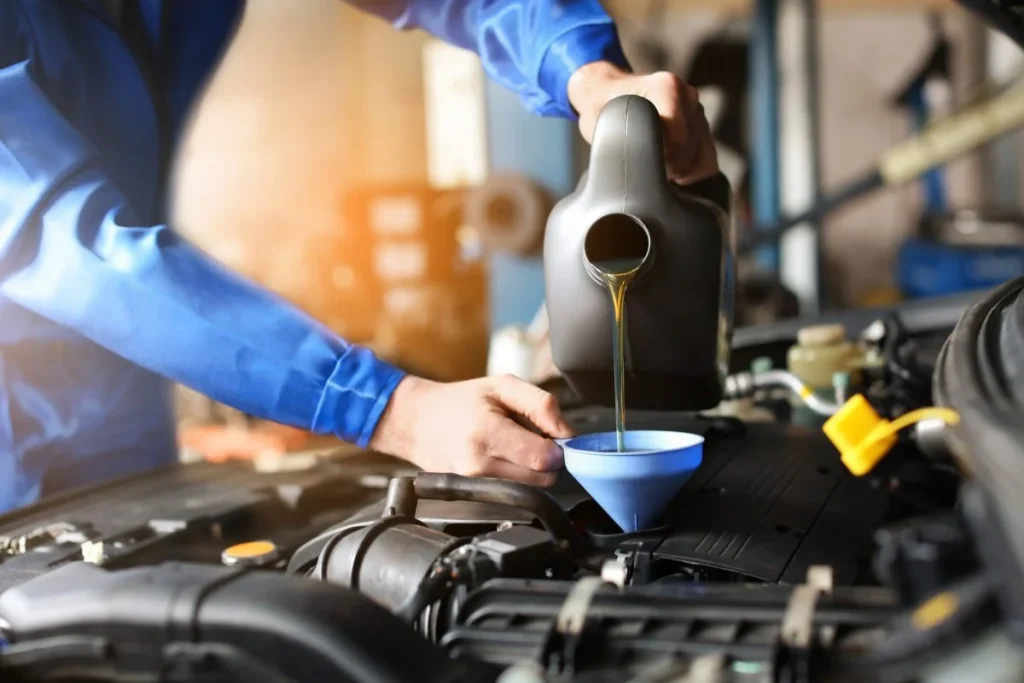
1. Regular Oil Changes
Oil lubricates the engine’s moving parts, reducing friction and preventing wear. Over time, oil breaks down and becomes less effective. Changing your oil every 3,000 to 5,000 miles is essential for keeping your engine healthy.
2. Spark Plug Replacement
Worn spark plugs can cause misfires, reduced fuel efficiency, and difficulty starting your car. Replacing them at recommended intervals ensures optimal combustion and engine performance.
3. Fuel System Maintenance
Over time, dirt and debris can clog fuel injectors and filters, reducing fuel efficiency and engine power. Cleaning the fuel system and replacing the fuel filter as needed keeps everything running smoothly.
4. Cooling System Checks
The cooling system prevents your engine from overheating. Regularly inspect the coolant level, radiator, and hoses to avoid costly overheating repairs.
5. Diagnosing Common Engine Issues Early
Catching issues early can save you from extensive engine damage. Learn to recognize warning signs like unusual noises or decreased performance, and don’t hesitate to get a professional opinion.
Diagnosing Common Car Engine Issues Early
A healthy engine purrs smoothly. Clicking, knocking, or grinding sounds are often signs of underlying problems that require immediate attention. Pay attention to how your car drives. If you notice decreased acceleration, lower fuel efficiency, or dashboard warning lights, it’s time for a check-up.
- Listening to Unusual Noises:
- A smooth-running engine should operate quietly.
- Clicking sounds may indicate issues with valves or low oil levels.
- Knocking noises can be a sign of problems with the engine’s internal components, like worn bearings or misfiring cylinders.
- Grinding could signal trouble with the starter motor or timing belt.
- Monitoring Vehicle Engine Performance:
- Watch for reduced acceleration, which may indicate fuel system or air intake issues.
- A sudden drop in fuel efficiency could point to problems with the fuel injectors, oxygen sensors, or spark plugs.
- Dashboard warning lights like the “Check Engine” light are critical alerts to potential engine problems.
- Jerky driving or stalling may be a symptom of transmission or ignition system issues.
Early diagnosis of engine issues ensures timely repairs and prevents more severe and costly damage down the road.
The Role of Certified Car Mechanics

Professional mechanics use advanced tools and techniques to identify issues that may not be obvious to the average driver. At Bullet Automotive & Diesel, our certified car and diesel mechanics provide comprehensive inspections, ensuring your engine is in top shape.
- Advanced Diagnostics: Certified mechanics use specialized tools to detect hidden issues that might not trigger warning lights or visible symptoms.
- Preventative Maintenance: Inspections identify small problems early, preventing costly repairs and potential breakdowns.
- Thorough Expertise: Professional inspections cover every aspect of your engine, including belts, hoses, filters, and electrical systems.
- Safety Assurance: Mechanics ensure that your vehicle meets safety standards, giving you peace of mind while driving.
- Customized Recommendations: Professionals provide tailored advice on repairs and maintenance based on your car’s specific needs.
- Prolonged Engine Life: Regular inspections contribute to the longevity and performance of your engine, saving you money in the long run.
Creating a Car Maintenance Schedule in Brighton, Colorado
Every vehicle is unique, and so are its maintenance needs. Here’s a general guide to creating a maintenance schedule:
- Every 3,000–5,000 Miles: Oil changes and tire checks.
- Every 15,000 Miles: Air filter replacement and brake system inspection.
- Every 30,000 Miles: Cooling system and fuel system maintenance.
- As Needed: Replace spark plugs, belts, and hoses.
For a customized schedule tailored to your car and driving habits, consult with our team at Bullet Automotive & Diesel.
Contact Your Local Auto Mechanics in Brighton Colorado to Keep Your Engine Running Strong
Maintaining your car’s engine is an investment in its longevity, performance, and safety. By staying on top of oil changes, inspections, and necessary repairs, you can enjoy a smooth and worry-free driving experience. Don’t wait for small issues to turn into big problems. Join the Bullet family, where your vehicle’s performance and your satisfaction are always our top priorities! Schedule a car maintenance appointment in Brighton Colorado with Bullet Automotive & Diesel today! Let us help you keep your engine running like new—contact us at 720-998-6936 or on our Facebook page now to get started!
Frequently Asked Questions
What are the benefits of regular car engine maintenance?
How often should I change my car’s oil?
What are the signs of common engine problems?
Why is spark plug replacement important for engine health?
When should I consult a professional car mechanic for engine issues?
How can Bullet Automotive & Diesel help with car engine maintenance?
Car Maintenance Repair Shop in Brighton Colorado


